
World News
7 Foods That Fight Cancer, Heart Disease, and Enhance Health
Dec
Berries: Nature’s Antioxidant Powerhouses
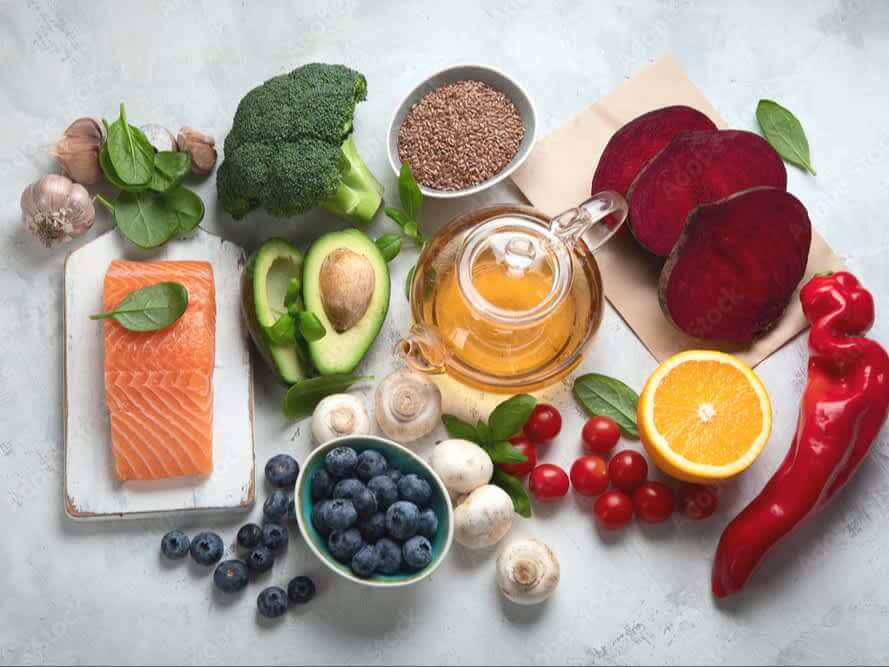
Berries, such as blueberries, strawberries, and raspberries, are celebrated for their dense nutrient content and remarkable health benefits. These fruits are loaded with antioxidants like anthocyanins and ellagic acid, which protect cells from oxidative stress. Oxidative stress is a key contributor to chronic illnesses, including cancer and cardiovascular disease.
Studies have shown that the antioxidants in berries can neutralize free radicals and reduce inflammation, both of which are critical in lowering the risk of chronic diseases. Berries also have a high fiber content, which supports digestion and aids in regulating blood sugar levels. Regular consumption of berries has been linked to improved brain health, reduced cholesterol levels, and a lower risk of heart attacks. Incorporating a cup of berries into your daily diet, whether in smoothies, salads, or as snacks, is a delicious and effective way to boost health.
Cruciferous Vegetables: The Cancer-Fighting Greens
Cruciferous vegetables, including broccoli, cauliflower, kale, and Brussels sprouts, are rich in phytochemicals like glucosinolates. These compounds break down into bioactive substances such as sulforaphane and indole-3-carbinol, which have been found to deactivate carcinogens and inhibit the growth of cancer cells. Research has demonstrated that these vegetables are particularly effective in protecting against hormone-related cancers, such as breast and prostate cancer.
Moreover, cruciferous vegetables are abundant in vitamins, minerals, and fiber, contributing to heart health by lowering cholesterol and improving arterial function. Their high nutrient density and low calorie content make them ideal for maintaining a healthy weight, further reducing the risk of disease. To maximize their benefits, aim to consume a variety of cruciferous vegetables throughout the week, either steamed, stir-fried, or in soups.
Garlic and Onions: Sulfur-Rich Disease Defenders
Garlic and onions are kitchen staples that pack a powerful nutritional punch. These allium vegetables are high in sulfur-containing compounds, such as allicin, which are known for their anti-inflammatory, antimicrobial, and cancer-fighting properties. Studies suggest that regular consumption of garlic and onions can lower the risk of stomach and colorectal cancers by reducing harmful bacteria and preventing DNA mutations.
These foods also promote cardiovascular health by improving cholesterol levels, reducing blood pressure, and enhancing arterial elasticity. The immune-boosting properties of garlic and onions make them indispensable for preventing infections and supporting overall health. Adding minced garlic and sliced onions to your meals not only enhances flavor but also delivers substantial health benefits.

Turmeric and Ginger: Spices with Superpowers
Turmeric and ginger, two widely used spices in traditional medicine, are gaining recognition in modern science for their therapeutic properties. Turmeric contains curcumin, a powerful anti-inflammatory compound that has been shown to inhibit tumor growth and reduce inflammation linked to heart disease. Curcumin also enhances the body’s antioxidant defenses, protecting cells from damage.
Ginger, on the other hand, is rich in bioactive compounds like gingerol, which reduce oxidative stress and inflammation. These properties make ginger effective in relieving nausea, improving digestion, and reducing muscle pain. Regular consumption of these spices, whether in teas, curries, or supplements, can significantly enhance your health. Combining turmeric with black pepper improves curcumin absorption, maximizing its benefits.
Leafy Greens and Mushrooms: Nutritional Powerhouses
Spinach, kale, and other leafy greens are essential components of a disease-fighting diet. These vegetables are packed with vitamins like K and C, folate, and carotenoids, which are known to combat various cancers and promote heart health. They are also excellent sources of dietary nitrates, which improve blood flow and reduce blood pressure.
Mushrooms, another nutritional powerhouse, support immune health and contain compounds like beta-glucans that modulate the immune system. Certain mushroom varieties, such as shiitake and maitake, have shown promise in reducing hormone-related tumors. Incorporating leafy greens and mushrooms into your meals, whether in salads, soups, or sautés, ensures a steady supply of vital nutrients for optimal health.
Conclusion
By incorporating these seven foods into your diet—berries, cruciferous vegetables, garlic, onions, turmeric, ginger, leafy greens, and mushrooms—you can significantly reduce the risk of cancer and heart disease while enhancing overall well-being. Their nutrient-rich profiles offer a range of protective benefits, making them indispensable components of a balanced diet. Small, consistent dietary changes can lead to profound health improvements, empowering you to live a longer and healthier life.
From Ecomhao
