
World News
Does Eating Soy Impact Your Risk of Breast Cancer?
Dec
Debunking the Myths: Soy and Breast Cancer Risk
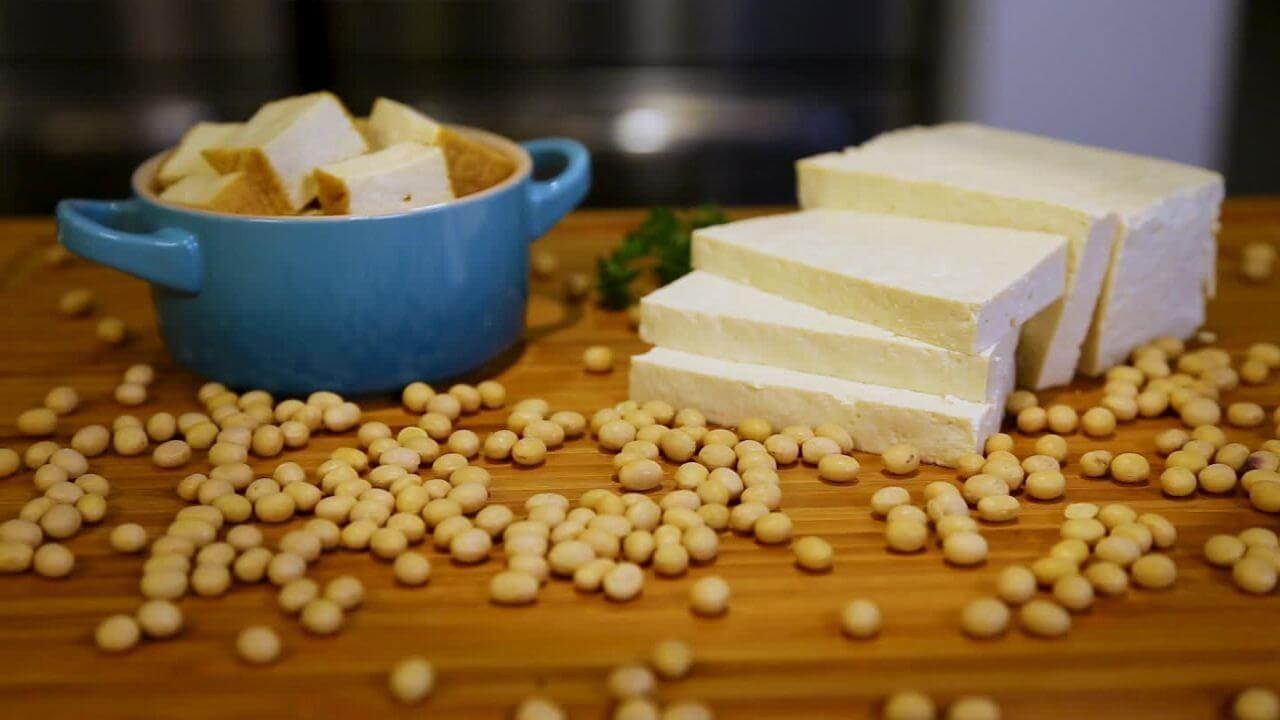
Soy products, such as tofu, edamame, and soy milk, are often surrounded by debates regarding their impact on hormone-sensitive cancers like breast cancer. Much of this stems from the presence of isoflavones in soy, which mimic estrogen’s structure. However, experts like Lynne Groeger, an oncology nutritionist, clarify that these phytoestrogens are not the same as human estrogen and may even offer protective benefits against cancer.
Populations that regularly consume soy, particularly in Asia, exhibit lower breast cancer rates. This discrepancy raises the need for a nuanced understanding of how soy functions in the body. Unlike concentrated soy extracts found in supplements, whole soy foods appear to have beneficial properties, suggesting that soy’s effect on breast cancer risk is largely positive when consumed as part of a balanced diet.
Insights from Global Studies
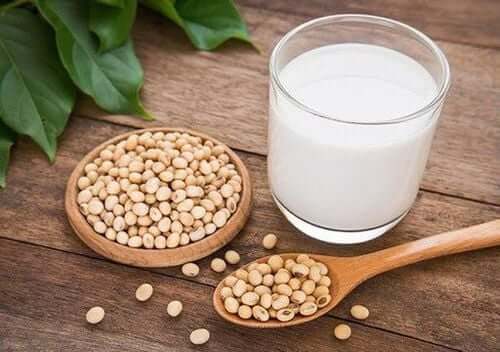
The Shanghai Women’s Study, one of the most comprehensive investigations into soy and breast cancer, monitored over 73,000 Chinese women for seven years. The findings were groundbreaking: women with higher soy consumption had a nearly 60% lower risk of breast cancer. A follow-up study confirmed these results, bolstering the argument that soy could be a protective dietary factor.
Similarly, research on breast cancer survivors in the U.S. and Canada demonstrated that soy intake was associated with a reduced risk of cancer recurrence and mortality. These studies emphasize the importance of dietary context, showing that populations with consistent, moderate soy consumption experience significant health benefits.
The Science of Phytoestrogens
Isoflavones, often misunderstood as “plant estrogens,” have a distinct and weaker effect compared to human estrogen. Instead of stimulating cancer growth, these compounds may help inhibit cancer cell proliferation, reduce inflammation, and support cardiovascular health. While more research is needed, current evidence indicates that including soy in the diet is not only safe but may actively contribute to cancer prevention.
Nutritionists emphasize that concerns about soy are often based on isolated studies or misinterpretations. Whole soy foods, such as tempeh or soybeans, provide a range of nutrients, including protein and fiber, without the risks associated with processed soy supplements. Understanding this distinction is key to dispelling misconceptions.
Practical Ways to Include Soy in Your Diet
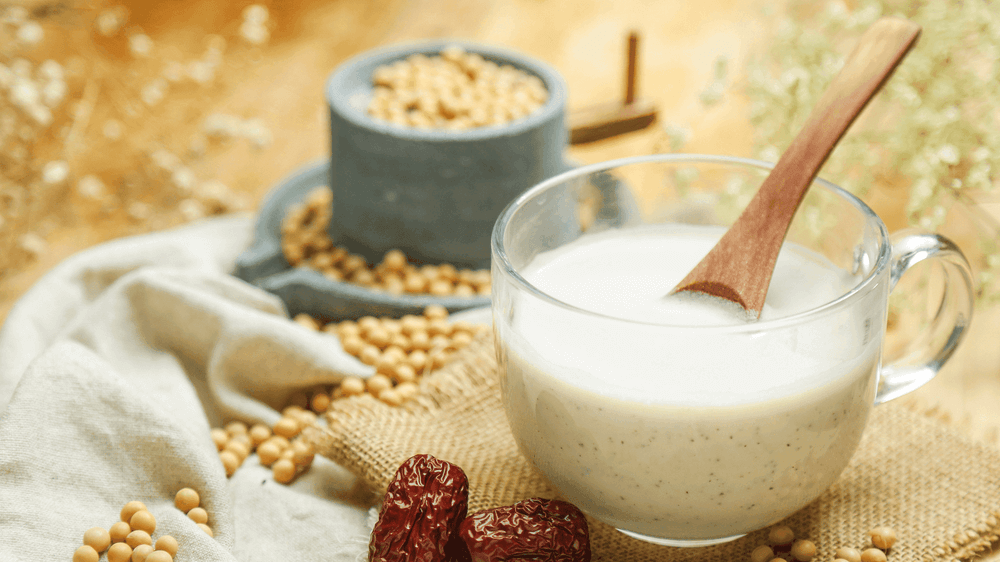
For those looking to incorporate soy into their meals, whole soy foods are the safest and most beneficial option. Consider adding steamed edamame to salads, snacking on roasted soybeans, or using tofu as a versatile protein source. Avoid soy-based pills and powders, particularly if you have a history of estrogen-positive breast cancer, as these concentrated forms may not offer the same safety profile.
Soy is a valuable plant-based alternative to animal protein, offering a nutrient-dense, low-fat option that aligns with broader dietary recommendations for cancer prevention. Its inclusion in a Mediterranean-style diet, rich in vegetables, whole grains, and healthy fats, can further enhance its protective effects.
Shifting Perspectives on Soy
The evolving research on soy underscores the importance of looking beyond myths to understand its true role in health. While early concerns linked soy to breast cancer risk due to its estrogen-like properties, modern studies have debunked this notion. Instead, soy emerges as a food with potential anticancer properties, particularly when consumed in its natural form.
For those concerned about breast cancer risk, consulting with a healthcare provider or nutritionist can provide personalized guidance. Integrating soy into a balanced diet not only supports overall health but also aligns with evidence-based strategies for reducing cancer risk. As science continues to unravel soy’s complex effects, its place as a nutritious, health-promoting food becomes increasingly clear.
Conclusion
Soy’s impact on breast cancer risk has been a topic of debate, but the evidence leans strongly in its favor. Whole soy foods, rich in nutrients and health benefits, can be part of a cancer-preventive diet when consumed in moderation. By demystifying soy and embracing its potential, we empower individuals to make informed dietary choices that support their long-term health.
From Ecomhao
