
World News
Eating More Fruits and Vegetables May Lower Breast Cancer Risk
Jan
The Link Between Fruits, Vegetables, and Breast Cancer Risk
A large-scale study published in the International Journal of Cancer analyzed data from nearly 200,000 women over several decades, revealing that higher fruit and vegetable consumption correlates with a lower risk of breast cancer. Participants consuming more than 5.5 servings of fruits and vegetables daily exhibited an 11% lower risk compared to those consuming 2.5 servings or fewer.
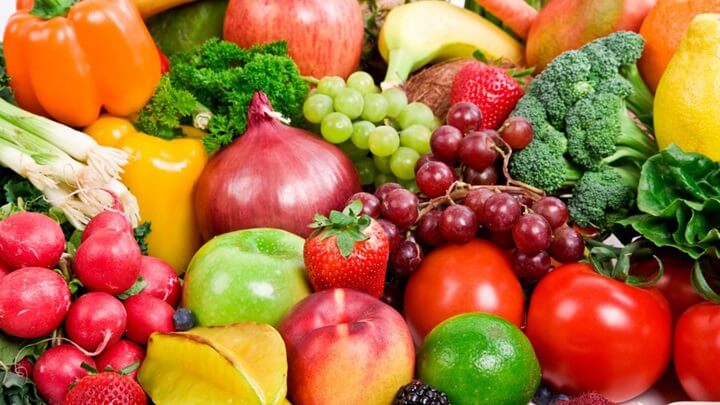
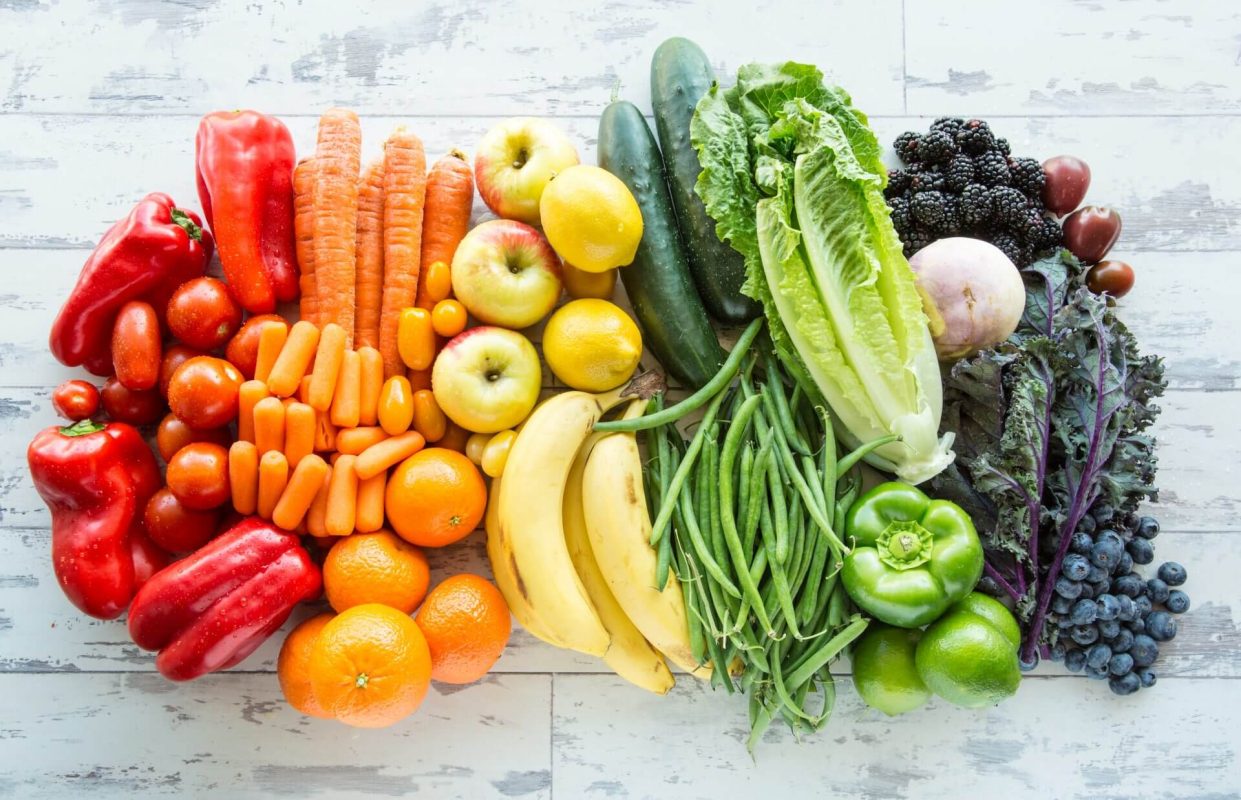
Researchers identified specific types of produce, such as yellow/orange vegetables, cruciferous vegetables (like broccoli and cauliflower), and leafy greens, as particularly effective in reducing risk. These foods are rich in vitamins C, alpha-carotene, and beta-carotene, which have antioxidant properties that combat cellular damage and inflammation—key factors in cancer development.
Nutritional Components that Protect Against Cancer
The study emphasized the anti-cancer properties of certain nutrients found in fruits and vegetables. These include:
- Antioxidants: Combat oxidative stress, reducing DNA damage and slowing tumor progression.
- Carotenoids: Natural pigments in yellow, orange, and red vegetables that inhibit cancer cell growth.
- Vitamin C: Boosts immune response and protects cells from harmful free radicals.
- Fiber: Improves gut health and reduces estrogen levels, potentially lowering hormone-sensitive cancer risks.
Interestingly, the study found that the benefits of cruciferous vegetables and beta-carotene-rich produce were independent of fiber content, suggesting other micronutrients and antioxidants in these foods play a crucial role.
Impact on Aggressive Breast Cancer Subtypes
The study’s analysis revealed that high fruit and vegetable consumption was particularly effective in reducing the risk of aggressive breast cancer subtypes, including:
- Estrogen receptor-negative tumors
- HER2-positive tumors
- Basal-like tumors
These subtypes are typically harder to treat and have poorer prognoses. The protective effect of fruits and vegetables may stem from their role in disrupting early stages of cancer development, supporting the idea that dietary habits years before a diagnosis can influence outcomes.
Long-Term Benefits of Dietary Changes
The study found that consuming fruits and vegetables eight or more years before diagnosis significantly reduced breast cancer risk. This finding underscores the importance of long-term dietary habits in cancer prevention. A diet rich in fruits and vegetables not only benefits overall health but also provides a protective effect during the early stages of carcinogenesis.
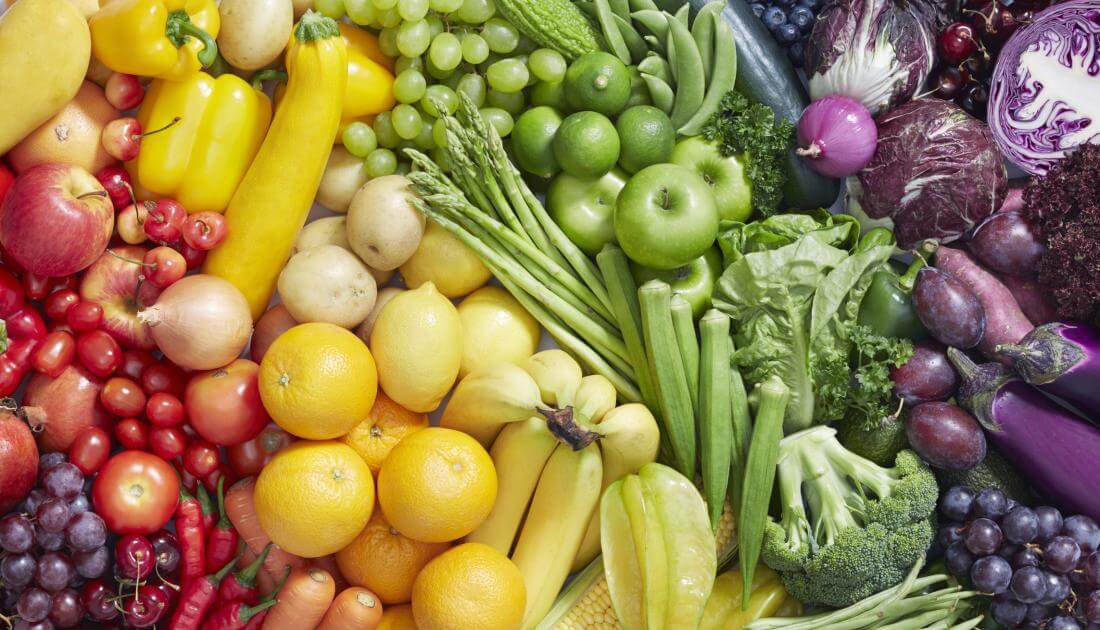
The World Health Organization recommends eating at least 400 grams of fruits and vegetables daily, while the American Cancer Society advises consuming at least 2.5 cups per day. Incorporating a variety of colorful produce ensures a broad spectrum of nutrients that can work synergistically to promote health and reduce cancer risks.
Practical Tips for Increasing Intake
Adopting a fruit- and vegetable-rich diet doesn’t have to be daunting. Here are practical tips to increase consumption:
- Start Small: Add a serving of fruits or vegetables to every meal.
- Mix Colors: Aim for a variety of colors to maximize nutrient intake.
- Snack Smart: Replace processed snacks with raw vegetables, fruits, or smoothies.
- Cook Creatively: Incorporate vegetables into soups, stews, and stir-fries for flavorful meals.
- Choose Seasonal Produce: Seasonal fruits and vegetables often have better taste and higher nutrient content.
These strategies can make dietary changes manageable and sustainable, fostering a lifestyle that supports long-term health and cancer prevention.
Consuming a diet rich in fruits and vegetables is a simple yet powerful way to reduce breast cancer risk. By prioritizing nutrient-dense foods, individuals can take proactive steps toward better health and potentially mitigate the risk of aggressive cancer subtypes. These findings reinforce the critical role of nutrition in the fight against cancer and highlight the importance of early and sustained dietary habits.
From Ecomhao
