
World News
Essential Nutritional Guidance for Cancer Treatment: Foods to Support Healing
Dec
The Importance of Nutrient-Dense Foods
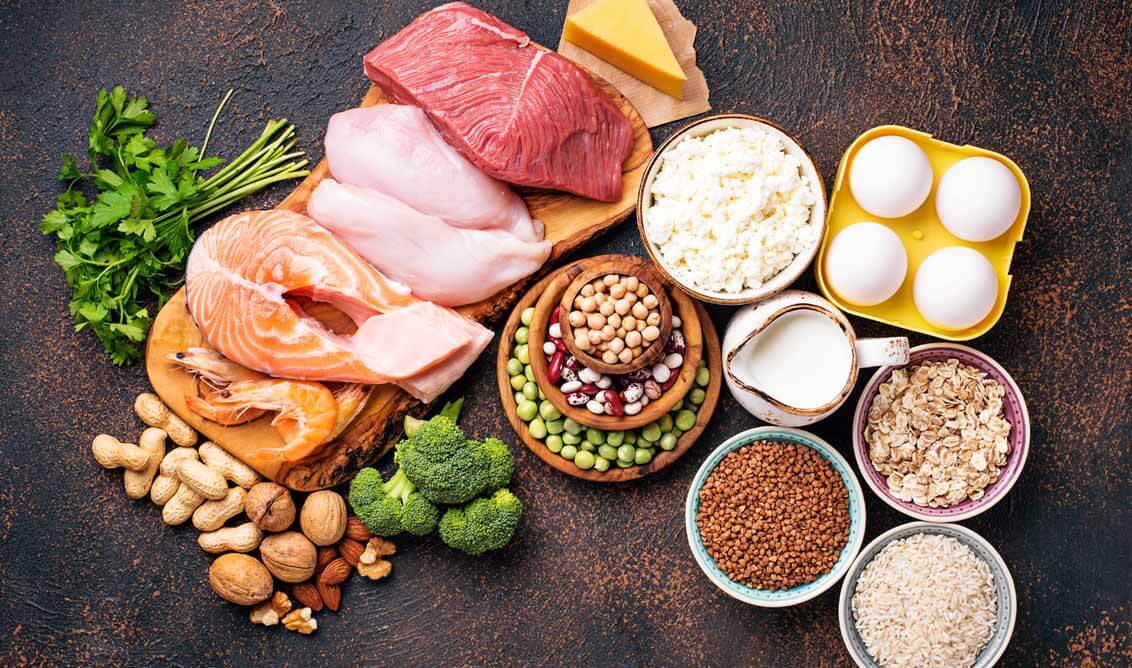
During cancer treatment, nutrient-dense foods are the cornerstone of a healthy diet. These foods provide the essential vitamins, minerals, and energy required to sustain the body through the rigors of treatment. Lean proteins, such as chicken, fish, eggs, and plant-based options like beans and lentils, are critical for maintaining muscle mass and repairing tissues.
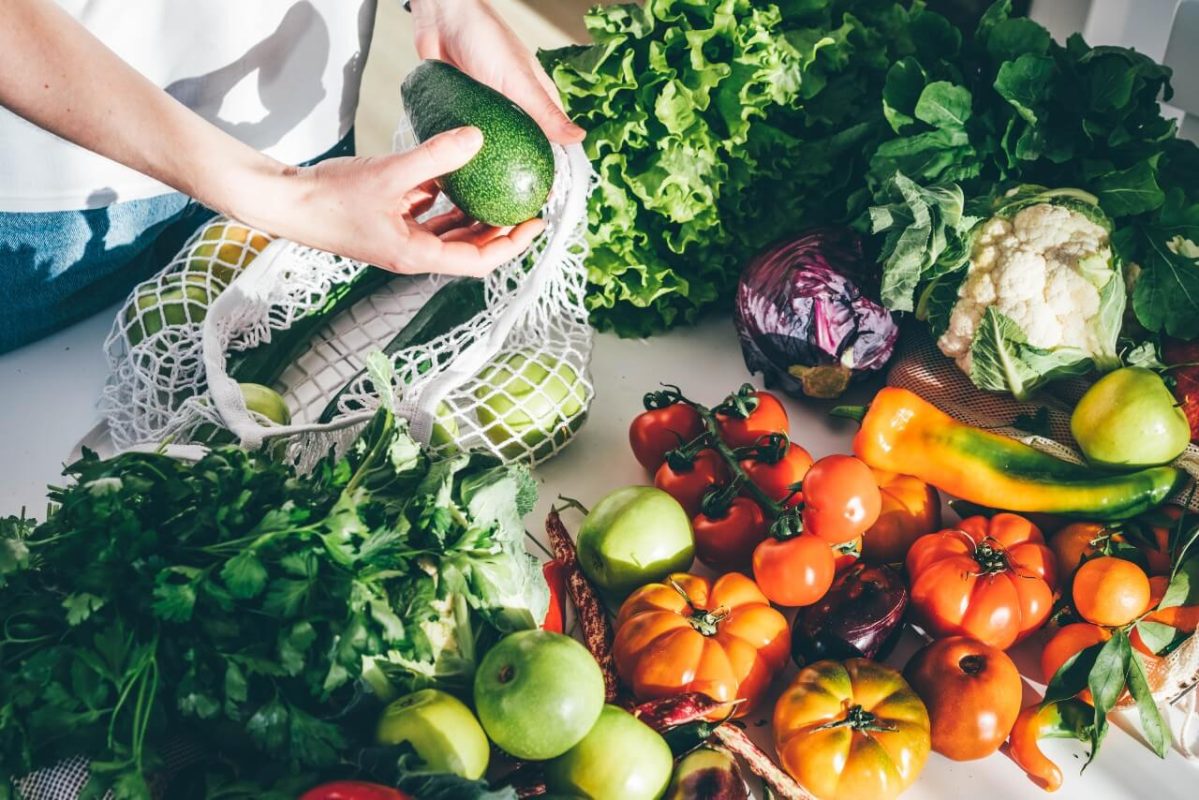
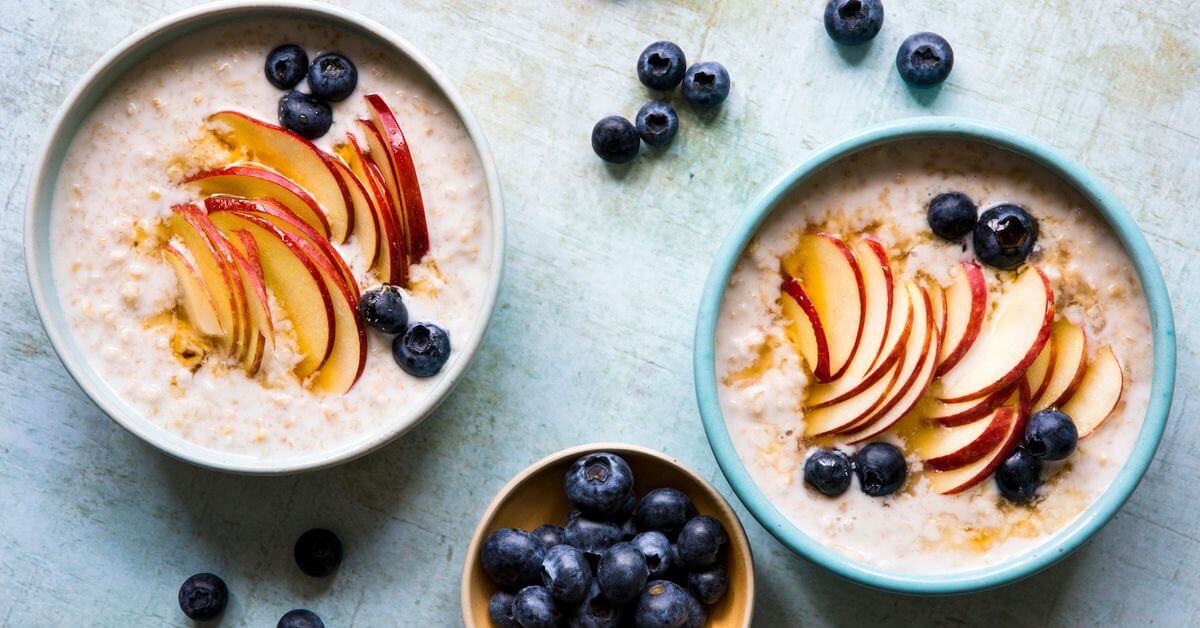
Fruits and vegetables are equally important due to their high antioxidant and fiber content. Berries, leafy greens, and cruciferous vegetables like broccoli and cauliflower are particularly beneficial as they combat oxidative stress and promote gut health. Whole grains, including brown rice, quinoa, and oatmeal, provide a steady energy source and help regulate digestion, which is often disrupted during treatment.
Incorporating these foods into every meal ensures that patients meet their nutritional needs while minimizing inflammation and boosting overall resilience.
Hydration: A Vital Component of Care
Staying hydrated is an essential yet often overlooked aspect of nutrition during cancer treatment. Dehydration can exacerbate treatment side effects such as fatigue, nausea, and dry mouth. Water remains the best choice for hydration, but alternatives like herbal teas, clear broths, and electrolyte-infused drinks can also help.
For patients struggling with hydration due to taste changes or nausea, consuming water-rich foods like cucumbers, watermelon, and oranges can be an effective strategy. Small, frequent sips throughout the day, rather than large quantities at once, can also help maintain fluid intake without overwhelming the stomach.
Hydration not only supports vital bodily functions but also aids in flushing toxins from the body, a crucial aspect of managing side effects and enhancing overall well-being during treatment.
Adapting Diets to Manage Side Effects
Cancer treatments can cause a variety of side effects that impact eating habits, including nausea, taste changes, appetite loss, and mouth sores. Tailoring the diet to accommodate these challenges is key to ensuring adequate nutrition.
For nausea, bland and easy-to-digest foods like plain rice, applesauce, and crackers are helpful. Ginger tea or candies can also alleviate queasiness. When taste changes occur, experimenting with different seasonings, herbs, or marinades can make meals more palatable. Patients experiencing dry mouth may benefit from soft, moist foods such as soups, smoothies, and yogurt, while avoiding overly salty or acidic items.
Listening to the body and adjusting meals to suit individual symptoms allows patients to maintain their caloric intake and avoid malnutrition during this critical time.
The Role of Professional Guidance
While general dietary guidelines are helpful, personalized nutrition plans designed by registered dietitians are invaluable during cancer treatment. Dietitians assess individual needs based on the type of cancer, treatment regimen, and specific side effects to create tailored recommendations.
MD Anderson Cancer Center emphasizes the importance of professional support in navigating dietary challenges. For instance, patients with severe weight loss may require calorie-dense foods or specialized meal replacement shakes, while those undergoing surgery might need specific nutrients to aid healing.
Dietitians also provide guidance on safe food preparation practices to minimize the risk of infection, especially for patients with compromised immune systems. Regular consultations ensure that nutritional strategies evolve alongside the patient’s treatment journey.
Practical Tips for Sustaining a Healthy Diet
Maintaining a healthy diet during cancer treatment can be challenging, but with the right strategies, it is achievable. Meal prepping in advance or relying on caregivers for assistance can ease the burden of cooking. Stocking up on easy-to-prepare, nutritious foods ensures that healthy options are always available, even on low-energy days.
For those with limited appetites, eating smaller, more frequent meals can prevent overwhelming feelings of fullness while still meeting caloric needs. Smoothies, which can be packed with protein powder, fruits, and leafy greens, are an excellent option for nutrient delivery in a convenient format.
Finally, focusing on mindful eating—paying attention to hunger cues and savoring each bite—can enhance the eating experience and foster a positive relationship with food during treatment.
Conclusion
Navigating cancer treatment requires a comprehensive approach to health, with nutrition serving as a foundational pillar of care. By prioritizing nutrient-dense foods, staying hydrated, and adapting meals to manage side effects, patients can optimize their strength and resilience throughout treatment. The guidance of registered dietitians further enhances this process, ensuring that every aspect of the diet is aligned with the patient’s unique needs.
With practical strategies and a focus on whole, nourishing foods, patients can take control of their dietary habits and support their recovery journey in meaningful ways.
From Ecomhao
