
World News
Plant-Based Diet and Its Potential Impact on Advanced Breast Cancer
Dec
Cancer, particularly breast cancer, remains one of the most prevalent and devastating diseases affecting women globally. Over the years, researchers, healthcare professionals, and patients alike have explored various ways to prevent, manage, and even reverse the effects of breast cancer. While medical treatments such as chemotherapy, radiation, and surgery have proven effective in many cases, a growing body of research is suggesting that lifestyle factors, particularly diet, may play a pivotal role in managing cancer.
Among the most promising dietary interventions, plant-based diets have been gaining attention. A recent clinical trial, highlighted in studies on Futurity.org, has found that adopting a whole-food, plant-based diet can potentially improve health markers in women diagnosed with advanced (stage 4) breast cancer. While it is important to note that diet alone cannot cure cancer, the evidence is accumulating that plant-based nutrition offers valuable benefits for cancer patients in terms of improving quality of life, reducing fatigue, and enhancing overall health.
This article delves into the findings of the study, the science behind plant-based diets, and how this nutritional approach could be integrated into breast cancer care. From reducing inflammation and managing cancer-related symptoms to its possible role in cancer progression, we will explore the potential impact of plant-based diets on women living with advanced breast cancer.
Understanding the Link Between Diet and Breast Cancer
Diet plays a crucial role in the prevention, progression, and management of various types of cancer, including breast cancer. The relationship between diet and cancer is complex and multifactorial, with both protective and risk-promoting factors found in different foods. While the exact mechanisms linking diet to cancer development remain an area of active research, several studies suggest that a healthy diet, rich in antioxidants, fiber, and essential nutrients, can reduce the risk of developing cancer and improve the body’s ability to cope with the disease.
Breast cancer, which is the second most common cancer among women worldwide, is affected by a variety of risk factors, including genetics, environmental exposures, and lifestyle choices. While genetics certainly play a role, studies have shown that factors such as diet, exercise, and stress levels significantly influence the likelihood of cancer occurrence and progression.
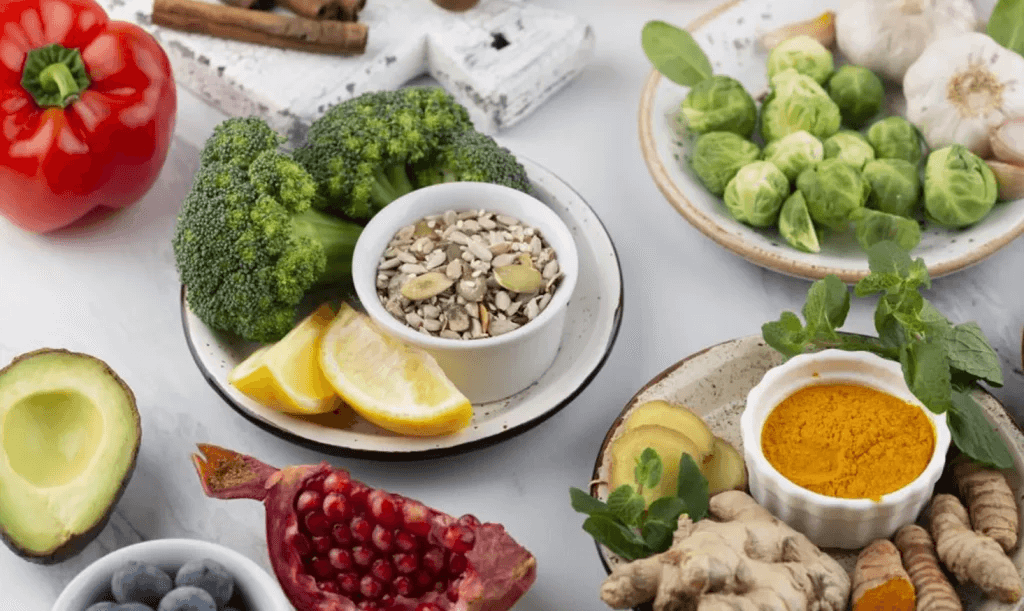
One of the most important dietary patterns in cancer prevention and management is a plant-based diet. Research has shown that plant-based diets are associated with lower rates of many types of cancer, including breast cancer. The protective effects of plant-based diets are thought to arise from their high content of antioxidants, vitamins, minerals, fiber, and phytochemicals, which support cellular health, reduce inflammation, and help regulate hormones.
Additionally, plant-based diets are generally low in unhealthy fats and animal proteins, which have been implicated in promoting cancer cell growth. Animal-based foods, particularly red and processed meats, contain compounds like heme iron and nitrosamines that may promote the development of cancer. In contrast, plant-based foods are rich in dietary fiber, which not only promotes digestion but also helps regulate hormones like estrogen, which can influence breast cancer risk.

The Clinical Trial: Evidence of Plant-Based Diets Improving Health in Breast Cancer Patients
The study featured on Futurity.org offers compelling evidence of the potential benefits of a whole-food, plant-based diet for women with advanced breast cancer. The clinical trial involved women with stage 4 breast cancer, who adopted a plant-based diet for eight weeks. During this period, participants experienced several positive changes, including weight loss, improved cholesterol levels, and reduced fatigue.
One of the key findings of the study was the reduction in a cancer-related growth factor known as IGF-1 (Insulin-like Growth Factor 1). High levels of IGF-1 have been associated with the promotion of cancer cell growth, including breast cancer. The participants in the study who followed a plant-based diet experienced a reduction in IGF-1 levels, which may have contributed to the improvement in overall health and quality of life.
Moreover, the participants reported reductions in inflammation, a crucial factor in cancer progression. Chronic inflammation is known to create an environment in which cancer cells can thrive, spread, and metastasize. By reducing systemic inflammation, a plant-based diet may help reduce the likelihood of cancer progression and enhance the body’s ability to fight disease. While the study was not able to confirm whether the plant-based diet directly halted cancer progression, it did demonstrate that the diet had a measurable positive impact on health markers.
Key Health Benefits of a Plant-Based Diet for Cancer Patients
While a plant-based diet is not a cure for cancer, it offers a wide array of health benefits for those living with breast cancer. These benefits extend beyond cancer-specific outcomes, influencing overall well-being and quality of life. Below are some of the most significant advantages of adopting a plant-based diet during cancer treatment:
1. Reduced Fatigue
Fatigue is one of the most common and debilitating side effects experienced by cancer patients, especially those undergoing chemotherapy. Cancer-related fatigue can be overwhelming, making it difficult for patients to engage in daily activities and maintain a sense of normalcy. A whole-food, plant-based diet can help alleviate fatigue by providing sustained energy through nutrient-dense foods like whole grains, fruits, and vegetables.
Plant-based diets are typically high in complex carbohydrates, which provide a slow and steady release of energy. Foods rich in iron, magnesium, and B vitamins, such as leafy greens, legumes, and nuts, can also help combat fatigue and promote overall vitality.
2. Improved Heart Health
Breast cancer patients are at an increased risk of cardiovascular disease, particularly those who undergo chemotherapy or radiation. Chemotherapy drugs can damage heart tissue, increasing the risk of heart-related complications later in life. Plant-based diets have been shown to improve heart health by lowering cholesterol levels, reducing blood pressure, and improving vascular health.
The study mentioned earlier found that participants on a plant-based diet experienced improvements in cholesterol levels, a key indicator of heart health. The high content of heart-healthy fats from plant-based foods, such as avocados, nuts, and seeds, helps support cardiovascular function while reducing the intake of harmful saturated fats found in animal-based products.
3. Weight Management
Many cancer patients experience weight gain or loss during treatment, often as a result of changes in metabolism or appetite. Maintaining a healthy weight is essential for overall well-being and can positively impact cancer treatment outcomes. A plant-based diet, which is naturally low in calories and high in fiber, can help promote healthy weight management by reducing overeating and encouraging satiety.
Additionally, the anti-inflammatory properties of plant-based foods may support healthy metabolic function, preventing excessive fat accumulation that can contribute to insulin resistance, a known risk factor for cancer progression.
4. Enhanced Immune Function
Cancer treatments like chemotherapy and radiation can weaken the immune system, making patients more susceptible to infections. A plant-based diet, rich in vitamins, minerals, and antioxidants, can help support immune function. The high levels of vitamins C and E, found in fruits and vegetables like oranges, bell peppers, and leafy greens, help strengthen the immune system and reduce the risk of infections.
Moreover, plant-based foods contain essential nutrients like zinc, selenium, and beta-glucans, which play a role in immune cell activation and overall immune response.
5. Reduced Inflammation
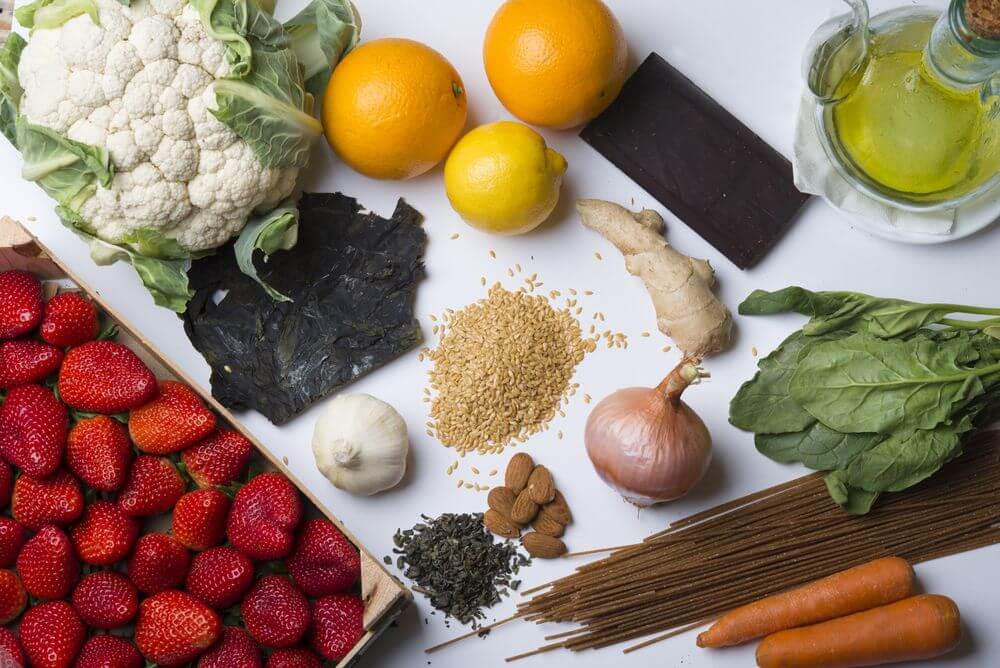
Chronic inflammation is a key driver of cancer progression. Inflammatory cytokines can stimulate the growth and spread of cancer cells, promoting metastasis. A plant-based diet, which is naturally anti-inflammatory, can help reduce this inflammation. The high intake of fiber, antioxidants, and phytonutrients found in fruits, vegetables, and whole grains can help reduce markers of inflammation in the body.
Incorporating a Plant-Based Diet Into Breast Cancer Treatment Plans
While the research on plant-based diets for breast cancer patients is still in its early stages, the positive results from recent studies suggest that plant-based nutrition should be considered as part of a comprehensive treatment plan. However, it is important to consult with healthcare professionals before making significant dietary changes, particularly during active cancer treatment.
For women with breast cancer, adopting a plant-based diet can complement conventional treatments like chemotherapy and radiation. It is important to approach diet changes gradually, starting with small changes like incorporating more plant-based meals and reducing the intake of processed and animal-based foods. Working with a nutritionist or dietitian can ensure that patients are meeting their nutritional needs while following a plant-based diet.
In addition, patients should be mindful of the specific nutritional needs that may arise during cancer treatment, such as adequate protein intake, which is important for tissue repair and immune function. Plant-based sources of protein, like beans, lentils, quinoa, and tofu, can provide the necessary amino acids for cancer patients without the inflammatory effects associated with animal proteins.
Conclusion: A Promising Dietary Approach for Breast Cancer Patients
The findings of studies like the one featured in Futurity highlight the potential of plant-based diets in improving the health and quality of life for women with advanced breast cancer. While a plant-based diet cannot cure cancer, it offers significant benefits that can support the body during treatment and potentially reduce the risk of cancer progression. From reducing fatigue and inflammation to promoting heart health and immune function, the advantages of a plant-based diet are undeniable.
As more research is conducted into the role of diet in cancer treatment and prevention, plant-based nutrition is emerging as a promising complement to conventional therapies. With its wealth of health benefits and low risk of adverse effects, a plant-based diet could become a cornerstone of cancer care, providing patients with the tools they need to support their health and improve their outcomes. It is essential, however, that patients work closely with their healthcare providers to ensure that their diet meets their individual needs and enhances their overall treatment plan.
As we continue to learn more about the relationship between diet and cancer, adopting a plant-based diet may become one of the most accessible and effective strategies for improving the health and well-being of breast cancer patients worldwide.
From ecomhao
