
World News
Plant Power: Using Diet to Lower Cancer Risk
Dec
In a world where health-conscious individuals and scientists alike continue to explore the most effective ways to prevent chronic diseases, one powerful tool often stands out: diet. More specifically, plant-based diets have been gaining recognition for their potential role in reducing the risk of several cancers, including breast cancer. A growing body of research supports the idea that what we eat can have a profound impact on our overall health, with certain foods playing a critical role in preventing the development of cancer.
The growing interest in plant-based nutrition comes from its holistic approach, focusing not just on eliminating harmful foods but also on incorporating nutrient-dense, antioxidant-rich options that promote long-term health. With scientific studies and clinical research increasingly linking plant-based diets with cancer prevention, it’s clear that dietary choices matter when it comes to our risk factors for disease. In this article, we will delve into the importance of plant-based diets in lowering cancer risk, the evidence supporting these claims, and how small dietary changes can make a significant difference in overall health.
Understanding the Connection Between Diet and Cancer Risk
Cancer remains one of the leading causes of death worldwide, with millions of new cases diagnosed every year. The World Health Organization (WHO) estimates that 30-50% of cancers could be prevented by adopting healthy lifestyle practices, and diet plays a crucial role in that. Understanding the connection between diet and cancer risk begins with recognizing the role of certain foods and nutrients in either promoting or inhibiting cancer development.
The relationship between diet and cancer is complex, but recent studies have shown that plant-based diets can significantly reduce the risk of several forms of cancer. This includes the consumption of foods high in antioxidants, fiber, and phytochemicals—naturally occurring compounds found in plants that help prevent cellular damage and inflammation, which are primary contributors to cancer development. For example, fruits and vegetables contain vitamins A, C, and E, which have been shown to play a role in cellular repair and boosting the immune system.
Plant-based diets are rich in polyphenols, a group of antioxidants that have been linked to cancer prevention due to their ability to reduce oxidative stress and inflammation in the body. These compounds are found in foods like berries, leafy greens, and nuts. They work by neutralizing harmful free radicals in the body that, if left unchecked, can damage cells and lead to cancerous growth. The key here is that the more plant-based foods we incorporate into our diets, the more we can help our bodies ward off potential cancer-causing damage.
Moreover, a plant-based diet is low in saturated fats and high in fiber, which has been shown to reduce the risk of colon and breast cancers. Studies suggest that fiber helps by improving digestive health, speeding up the elimination of harmful substances from the body, and balancing hormone levels, which is particularly important in preventing hormone-driven cancers like breast and prostate cancer.

The Role of Antioxidants in Cancer Prevention
One of the most well-established benefits of a plant-based diet in cancer prevention is the high intake of antioxidants, which help neutralize free radicals. Free radicals are unstable molecules that, when left unchecked, can cause cellular damage. This damage, known as oxidative stress, can contribute to the mutation of healthy cells, eventually leading to the development of cancer.
Antioxidants such as vitamins C and E, flavonoids, and carotenoids play an essential role in protecting cells from oxidative damage. For instance, vitamin C, found in citrus fruits, strawberries, and bell peppers, is known for its immune-boosting properties. It also aids in the repair of damaged tissue and reduces inflammation, which is a critical factor in the development of many types of cancer. Similarly, vitamin E, found in foods like almonds, sunflower seeds, and spinach, plays an important role in protecting cell membranes from oxidative damage.
Carotenoids, such as beta-carotene, lutein, and zeaxanthin, are another group of antioxidants commonly found in plant-based foods. These compounds are particularly abundant in colorful vegetables like carrots, sweet potatoes, and spinach. Studies have shown that a diet high in carotenoids can lower the risk of lung, breast, and other cancers. The compounds work by scavenging free radicals and preventing the formation of cancer cells.
Additionally, flavonoids, which are found in foods like apples, berries, and onions, have been shown to have potent anti-cancer effects. These compounds can inhibit the growth of cancer cells, reduce inflammation, and promote cell death in malignant cells. Research suggests that a diet high in flavonoids can reduce the risk of several cancers, including skin, breast, and colorectal cancer.
While individual antioxidants are crucial, it is important to note that consuming a variety of plant-based foods rich in a range of antioxidants offers the best protection against cancer. Eating a rainbow of fruits and vegetables, with a mix of colors and types, ensures that we get the full spectrum of antioxidants necessary to combat oxidative stress and reduce the risk of cancer development.
Fiber and Its Cancer-Protective Benefits
Another critical component of a plant-based diet that can help reduce cancer risk is fiber. Fiber, especially the soluble and insoluble types found in whole grains, fruits, and vegetables, is known to aid in digestion and support a healthy gut microbiome. But its benefits extend far beyond just digestive health. Fiber has been linked to a reduced risk of several cancers, particularly colorectal cancer.
The primary mechanism by which fiber helps reduce cancer risk is through its ability to bind to potentially harmful substances and eliminate them from the body. Fiber also promotes regular bowel movements, which helps remove toxins and carcinogens from the digestive tract more efficiently. Moreover, fiber plays a role in regulating blood sugar levels and insulin production. Elevated insulin levels have been associated with an increased risk of certain cancers, particularly breast and colon cancers. By improving insulin sensitivity, fiber helps keep hormone levels balanced, thereby reducing the likelihood of hormone-driven cancers.
For example, whole grains such as oats, brown rice, and quinoa, as well as legumes like beans and lentils, are rich in both soluble and insoluble fiber. Research indicates that these high-fiber foods can reduce the risk of colorectal cancer by improving bowel health and reducing inflammation in the gut. Furthermore, the fiber in plant-based foods helps regulate the levels of bile acids in the digestive tract, which can prevent the formation of cancerous cells in the colon.
Beyond colorectal cancer, fiber has also been linked to a reduced risk of breast cancer. A high-fiber diet helps regulate estrogen levels, which can be an important factor in preventing estrogen-receptor-positive breast cancers. Fiber-rich foods help to bind and remove excess estrogen from the body, preventing it from causing harmful effects that could lead to the development of breast cancer.
Practical Tips for Adopting a Cancer-Protective, Plant-Based Diet
Adopting a plant-based diet can seem daunting at first, especially for those accustomed to a diet rich in animal products. However, the transition can be made smoothly with some simple changes that focus on incorporating more whole, plant-based foods while reducing processed foods and animal products. Here are some practical tips for making the shift to a cancer-protective, plant-based diet:
- Start Small: Rather than attempting to switch to a completely plant-based diet overnight, begin by gradually increasing your intake of plant-based foods. Start with Meatless Mondays or add more plant-based meals to your weekly routine. This approach makes the transition more manageable and sustainable in the long term.
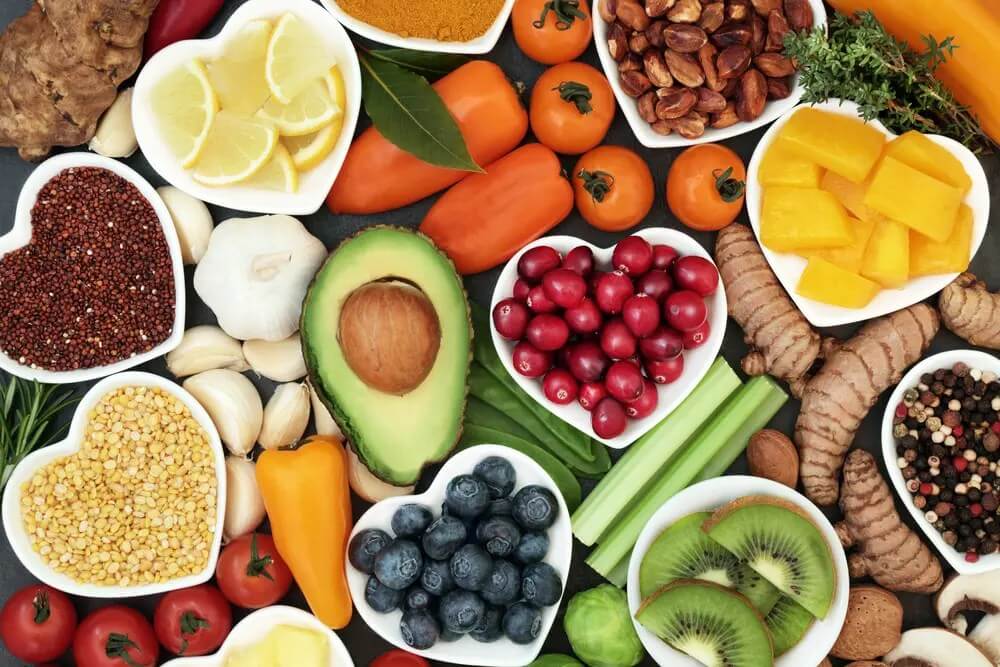
- Eat a Variety of Foods: A plant-based diet is most effective when it includes a wide range of fruits, vegetables, whole grains, legumes, nuts, and seeds. Aim for a variety of colors on your plate, as different colors correspond to different nutrients and antioxidants that work together to fight cancer.
- Incorporate Fiber-Rich Foods: To reap the full cancer-protective benefits, focus on adding high-fiber foods to your diet. Foods like lentils, beans, chickpeas, and quinoa are excellent sources of fiber. Whole grains like brown rice, barley, and oats are also beneficial for promoting digestive health.
- Avoid Processed Plant Foods: While plant-based diets are generally considered healthy, processed plant-based foods can sometimes be high in added sugars, unhealthy fats, and preservatives. Stick to whole foods as much as possible, and limit consumption of processed snacks, plant-based meats, and sugary drinks.
- Prioritize Healthy Fats: Healthy fats from plant-based sources, such as avocados, nuts, seeds, and olive oil, can help reduce inflammation and support overall health. Omega-3 fatty acids, found in flaxseeds, chia seeds, and walnuts, have particularly strong anti-cancer properties.
- Drink Plenty of Water: Staying hydrated is essential for flushing toxins from the body. Drinking water throughout the day helps support healthy digestion and the elimination of waste, which is crucial for cancer prevention.
By making these changes, individuals can significantly reduce their cancer risk and improve their overall health. It’s important to remember that no single food or diet will guarantee cancer prevention, but a holistic approach to diet—focusing on plant-based foods—can be a powerful tool in the fight against cancer.
Conclusion: The Power of Plant-Based Diets in Cancer Prevention
Adopting a plant-based diet has proven to be a powerful and scientifically supported strategy in lowering cancer risk. From the cancer-protective properties of antioxidants and fiber to the ability to regulate hormones and reduce inflammation, plant-based foods offer a comprehensive approach to cancer prevention. By consuming a variety of nutrient-rich, whole foods, individuals can create a diet that supports overall health while minimizing cancer risk.
From ecomhao
