
World News
The Anti-Cancer Diet: Building a Nutritional Foundation for Prevention
Dec
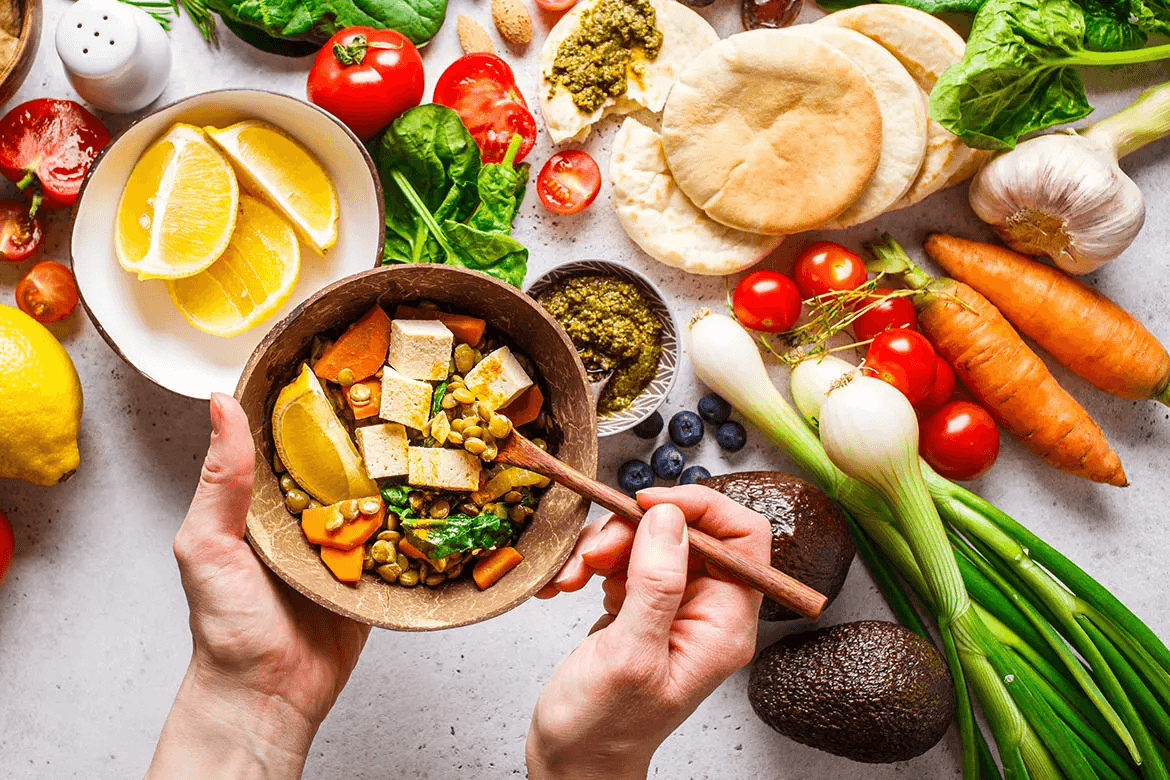
A cancer-preventive lifestyle starts with what’s on your plate. Diet alone cannot guarantee immunity from cancer, but research consistently demonstrates its role in reducing risk factors for a range of cancers. Insights from Cleveland Clinic emphasize how thoughtful food choices, combined with a holistic approach to health, can lower the risk of developing cancer. This article explores essential elements of the anti-cancer diet, key foods to include, those to avoid, and the broader lifestyle changes necessary to maximize these efforts.
The Science of Nutrition and Cancer Prevention
At the core of cancer prevention is an understanding of how diet influences cell function and systemic health. Poor dietary choices, including processed foods and excess sugar, can lead to chronic inflammation, obesity, and oxidative stress—all contributors to cancer development. Conversely, nutrient-rich foods can protect and repair cells, lower inflammation, and enhance immunity.
Certain foods contain antioxidants, which neutralize harmful free radicals that damage DNA and potentially lead to cancer. Similarly, fiber-rich foods promote gut health, essential for proper digestion and waste elimination, both of which play critical roles in reducing colorectal cancer risks. Building a balanced diet rich in whole foods while cutting out processed options forms the cornerstone of cancer prevention.
Essential Anti-Cancer Foods to Include
- Fruits and Vegetables: These nutrient-dense powerhouses provide antioxidants, vitamins, and minerals essential for protecting cells. Leafy greens like kale and spinach are high in folate, which helps repair DNA, while colorful produce like carrots and tomatoes offer carotenoids that prevent cellular damage. Blueberries, raspberries, and strawberries are particularly rich in antioxidants such as flavonoids and polyphenols.
- Whole Grains and Fiber: Fiber promotes regular digestion and gut health, crucial for reducing cancer risks. Foods such as oats, quinoa, brown rice, and legumes like lentils and chickpeas offer high fiber content and additional nutrients like selenium and magnesium, which have been linked to lower cancer risks.
- Healthy Fats: Incorporating omega-3 fatty acids from sources like salmon, walnuts, and flaxseeds can reduce inflammation and potentially lower risks for cancers like breast and prostate. Swapping saturated fats for olive oil or avocado provides heart-healthy monounsaturated fats that align with an anti-inflammatory lifestyle.
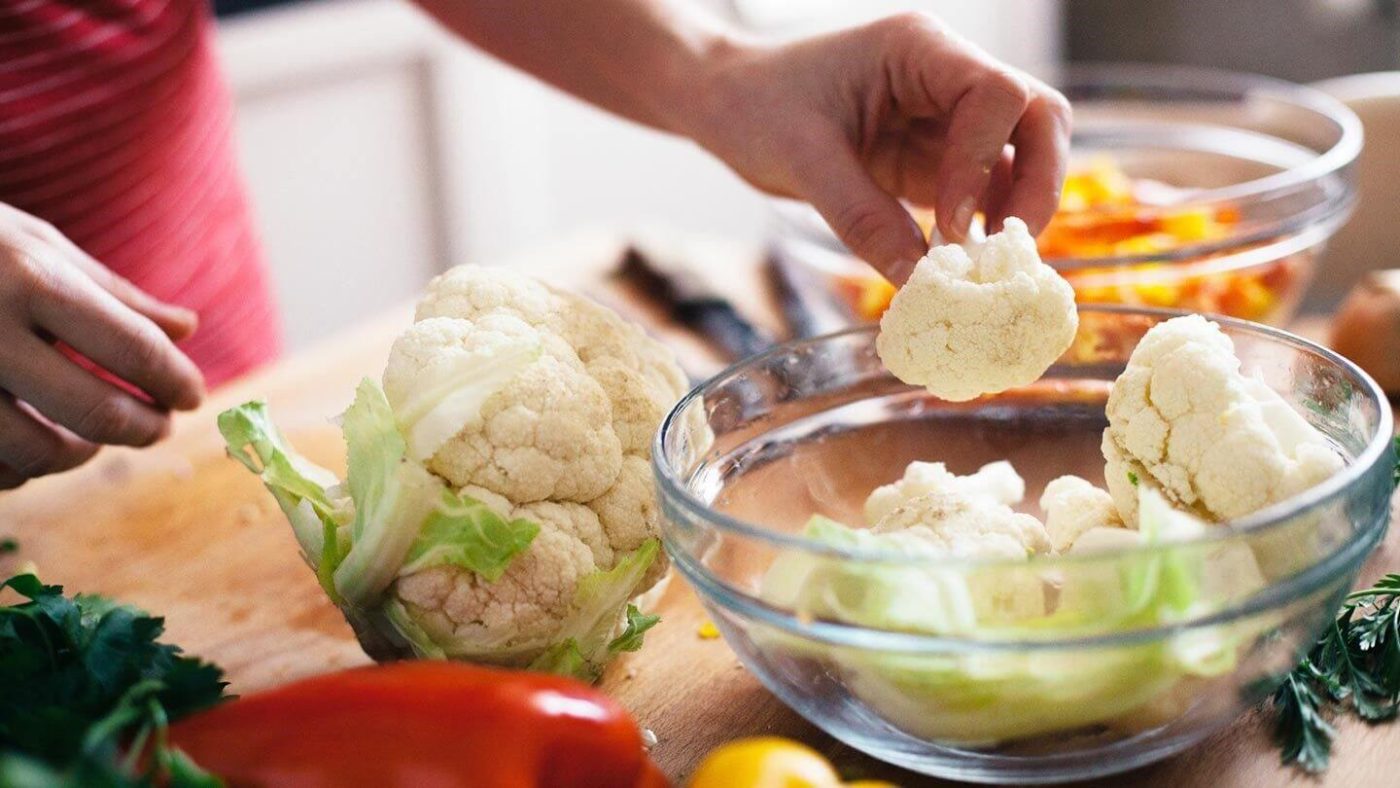
- Cruciferous Vegetables: Broccoli, cauliflower, and Brussels sprouts contain glucosinolates, compounds known to block cancer development by detoxifying carcinogens and preventing tumor growth.
- Green Tea: Rich in catechins, green tea is a beverage noted for its cancer-fighting properties. Regular consumption has been linked to reduced risks of cancers like breast and prostate.
Foods and Habits to Avoid
While certain foods and drinks can help prevent cancer, others actively increase risks. Cutting back or eliminating these from your diet is an essential step:
- Processed Meats: Bacon, sausage, and deli meats often contain nitrates, which can form carcinogenic compounds during digestion. Studies link these foods to higher rates of colorectal cancer.
- Added Sugars and Refined Carbs: These foods contribute to obesity, a major risk factor for cancers such as breast and liver. Avoid sugary snacks, sodas, and refined grains like white bread in favor of natural and whole food options.
- Alcohol: Heavy alcohol consumption is associated with cancers of the mouth, throat, liver, and breast. Moderation is key, with the American Cancer Society recommending no more than one drink per day for women and two for men.
- Salt-Preserved Foods: Excessive sodium, especially from smoked or salted fish and pickled vegetables, has been linked to stomach cancer.
- Fried and Burnt Foods: Overcooking meat or frying foods can create carcinogenic compounds such as acrylamide and heterocyclic amines (HCAs).
Lifestyle Changes to Enhance an Anti-Cancer Diet
Pairing a cancer-preventive diet with healthy lifestyle habits maximizes its effectiveness. Key strategies include:
- Physical Activity: Regular exercise helps regulate body weight, boost immunity, and reduce inflammation. Aim for at least 150 minutes of moderate exercise or 75 minutes of vigorous activity weekly.
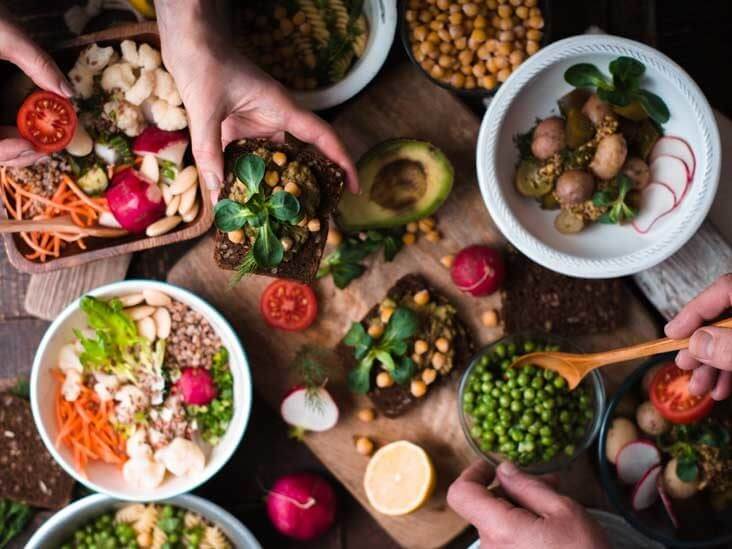
- Mindful Eating: Focus on portion control and balance. Fill half your plate with fruits and vegetables, one-quarter with lean protein, and one-quarter with whole grains.
- Adequate Hydration: Drinking water supports metabolic processes and flushes toxins. Avoid sugary drinks and excessive caffeine.
- Limiting Stress: Chronic stress can contribute to inflammation and weaken immunity. Techniques like mindfulness meditation, yoga, or deep-breathing exercises can help maintain balance.
- Regular Screenings and Checkups: Stay proactive by scheduling regular health checkups, including cancer screenings appropriate for your age and risk level.
The Long-Term Impact of an Anti-Cancer Lifestyle
Embracing an anti-cancer diet is a long-term commitment to health and well-being. The benefits extend far beyond cancer prevention, reducing the risk of other chronic diseases such as heart disease, diabetes, and hypertension. Incorporating nutrient-dense foods and eliminating harmful substances supports overall vitality and longevity.
It’s important to remember that diet alone cannot guarantee cancer prevention. However, when paired with a holistic approach to wellness, including regular physical activity and stress management, it provides a powerful defense. By making informed choices today, individuals can significantly improve their quality of life and build a foundation for a healthier future.
From Ecomhao
