
World News
The Relationship Between Soy Foods and Cancer: Myths and Facts
Dec
Understanding Soy and Its Nutritional Value
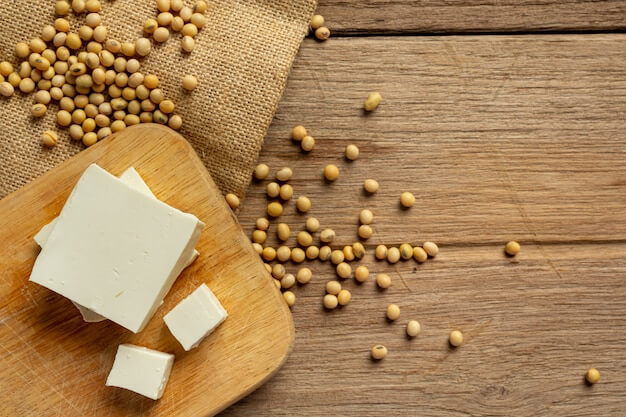
Soy is derived from soybeans, a legume rich in protein, fiber, and essential nutrients. It contains isoflavones, plant-based compounds known as phytoestrogens, which mimic the hormone estrogen in the body, albeit much weaker in potency. This unique characteristic has raised questions about soy’s effects on hormone-related cancers, such as breast and prostate cancer.
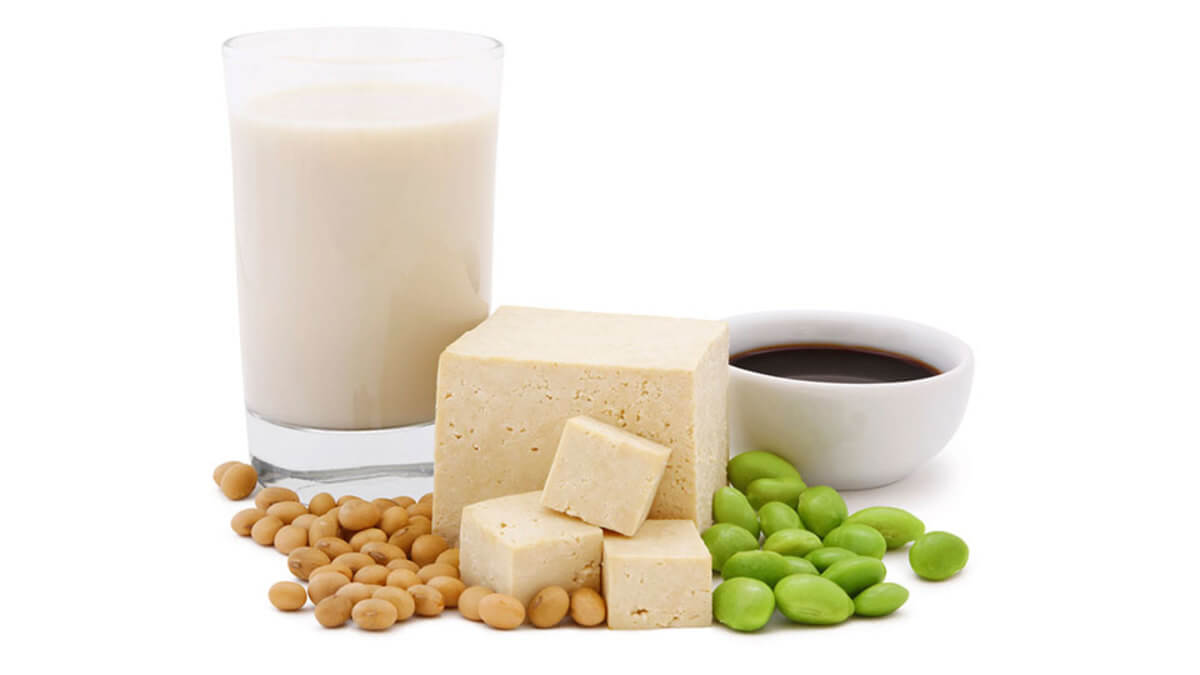
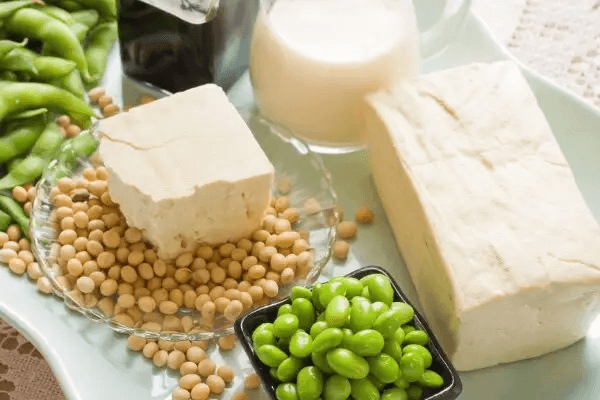
Soy is present in various forms, including tofu, soy milk, edamame, tempeh, and soy protein isolates, making it a versatile dietary option. Besides being an excellent source of plant protein, soy is associated with heart health, improved cholesterol levels, and reduced menopausal symptoms. These benefits stem from its nutrient-rich profile, which also includes vitamins, minerals, and antioxidants that combat oxidative stress and inflammation, key factors in cancer development.
The Science Behind Soy and Cancer Risk
The relationship between soy and cancer is complex and often misunderstood. Early studies in laboratory settings suggested that isoflavones might promote cancer cell growth due to their estrogen-like activity. However, subsequent human studies provided a more nuanced understanding.
Research indicates that moderate soy consumption does not increase cancer risk. In fact, it may offer protective benefits against certain cancers. For example, population studies reveal lower breast cancer rates in Asian women, who traditionally consume more soy than their Western counterparts. Soy’s isoflavones appear to act as selective estrogen receptor modulators (SERMs), which can block estrogen’s effects in breast tissue, potentially reducing the risk of estrogen-sensitive breast cancer.
Similarly, for prostate cancer, soy’s anti-inflammatory properties may contribute to lower risks observed in populations with high soy intake. Still, individual factors such as genetics, dietary patterns, and lifestyle choices influence these outcomes, making it essential to interpret findings within a broader context.
Debunking Myths About Soy and Breast Cancer
One of the most persistent myths is that soy increases breast cancer risk or recurrence in survivors. This misconception arises from early research and confusion about the role of phytoestrogens. In reality, multiple studies involving breast cancer survivors have shown that consuming soy foods is safe and may even lower the risk of recurrence.
Soy foods differ from high-dose soy supplements, which may contain concentrated isoflavones. The natural consumption of soy as part of a balanced diet poses no harm, according to experts at MD Anderson. In fact, the American Cancer Society and other organizations emphasize that moderate soy intake can be part of a healthy diet for cancer survivors.
Moreover, soy foods are rich in protein and fiber, which support overall health and may reduce other cancer risks. By replacing red and processed meats with soy-based alternatives, individuals can reduce exposure to harmful compounds associated with meat consumption and improve their diet quality.
Soy’s Role in Cancer Prevention
Emerging evidence suggests that soy may have a protective role against certain types of cancer. Isoflavones, alongside other bioactive compounds in soy, contribute to this effect. They act as antioxidants, neutralizing free radicals that can damage cells and lead to cancerous mutations.
Studies indicate that regular soy intake is linked to lower risks of gastrointestinal cancers, such as colon and stomach cancer. Soy’s fiber content aids in gut health by promoting beneficial bacteria, which in turn enhance the immune response and reduce inflammation in the digestive tract.
Additionally, the high-quality protein in soy supports cellular repair and regeneration, vital for maintaining healthy tissues and preventing abnormal cell growth. When included as part of a plant-based diet rich in fruits, vegetables, and whole grains, soy can enhance overall cancer-preventive effects.
Guidelines for Incorporating Soy into a Balanced Diet
To reap the benefits of soy while minimizing potential risks, it’s essential to consume it as part of a varied and balanced diet. Experts recommend whole soy foods, such as tofu, soy milk, and edamame, over highly processed products or supplements. These whole foods retain the natural matrix of nutrients and bioactive compounds, offering a synergistic health benefit.
Moderation is key. While there is no specific upper limit for soy consumption, aiming for 1–2 servings per day aligns with dietary patterns observed in populations with low cancer risks. For those undergoing cancer treatment, consulting with a dietitian or healthcare provider is advisable to tailor dietary choices to individual needs.
Soy’s versatility makes it easy to incorporate into meals, whether as a protein source in vegetarian dishes or as a dairy alternative for lactose-intolerant individuals. Its inclusion not only supports health but also aligns with sustainability goals, making it a win-win choice for personal and planetary well-being.
Conclusion
The connection between soy and cancer has long been a topic of debate, fueled by misconceptions and evolving science. However, current research highlights the safety and potential benefits of moderate soy consumption, especially when consumed as part of a balanced diet. Rather than fear soy, individuals can embrace it as a nutritious, plant-based option that may support overall health and even reduce certain cancer risks.
Understanding the nuances of dietary choices and their impact on health empowers individuals to make informed decisions. By relying on credible sources and scientific evidence, such as the findings from MD Anderson Cancer Center, we can dispel myths and appreciate the role of soy in a healthy lifestyle.
From Ecomhao
