
World News
Unlocking the Power of Plants: How Diet Can Lower Cancer Risk
Dec
The Link Between Diet and Cancer Prevention
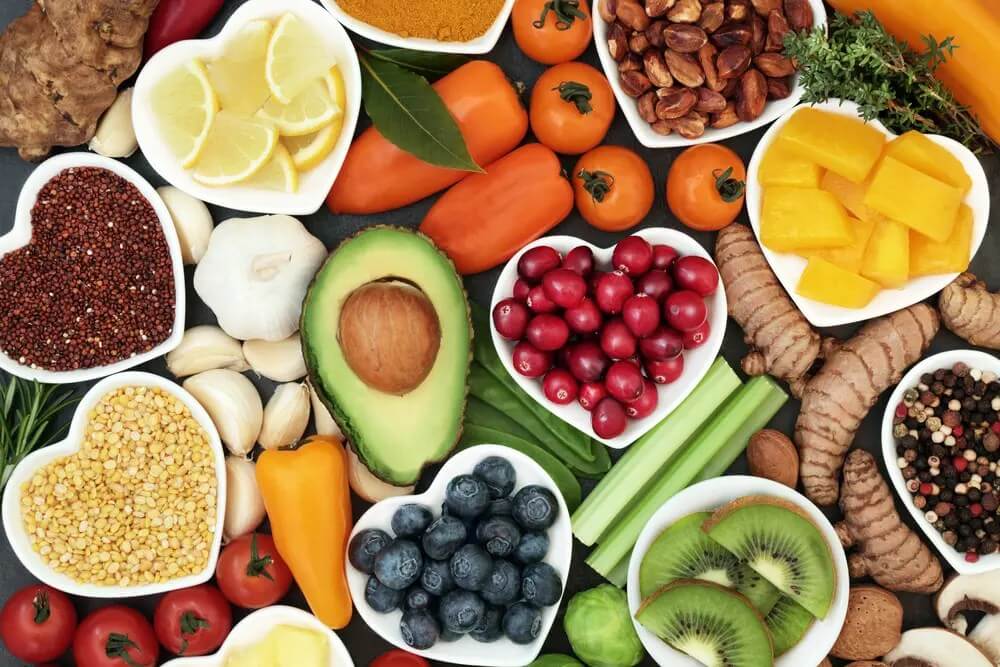
Cancer remains one of the leading health challenges globally, with an estimated 1.9 million new cases diagnosed annually in the United States. While genetics and environmental factors contribute significantly, research shows that up to 25% of cancers could be prevented through proper nutrition. Plant-based diets, rich in fruits, vegetables, legumes, and whole grains, have emerged as powerful allies in reducing cancer risk. These foods are abundant in fiber, antioxidants, and phytochemicals—natural compounds that protect and repair the body at a cellular level.
Studies highlight that vegans and vegetarians have lower cancer rates than those consuming animal products. This is particularly evident in reducing risks of breast and colorectal cancers, underscoring the role of a plant-rich diet in disease prevention. By prioritizing nutrient-dense, plant-based meals, individuals can take actionable steps toward better health and longevity.

The Protective Role of Phytochemicals
Phytochemicals, the natural compounds found in plants, are critical in combating cancer. Two standout phytochemicals include antioxidants and carotenoids. Antioxidants neutralize harmful oxidants that can damage DNA and lead to abnormal cell growth. Found in foods like apples, avocados, nuts, and dark chocolate, these compounds repair and protect cells from further harm.
Carotenoids, present in vibrant red, orange, and green produce such as carrots, spinach, and sweet potatoes, are another potent group of cancer-fighting compounds. These fat-soluble nutrients require dietary fats for absorption and have been linked to lower risks of heart disease, cancer, and vision-related conditions. The synergy of these compounds within the body underscores the value of a varied and colorful diet rich in plant-based foods.
The Fiber Connection: A Key to Lowering Risk
Dietary fiber, a hallmark of plant-based diets, plays an essential role in cancer prevention. Fiber not only aids digestion but also fosters the growth of healthy gut bacteria, which in turn reduces inflammation and promotes colon health. Research reveals that high-fiber diets can significantly lower the risk of both breast and colorectal cancers.
For instance, young women who consume fiber-rich diets are 25% less likely to develop breast cancer later in life. Additionally, every 10 grams of daily fiber intake is associated with a 10% reduction in colorectal cancer risk. By incorporating fiber-packed foods such as beans, whole grains, and vegetables, individuals can support their digestive health while bolstering their defenses against cancer.
The Synergy of Nutrition: Combining Foods for Greater Impact
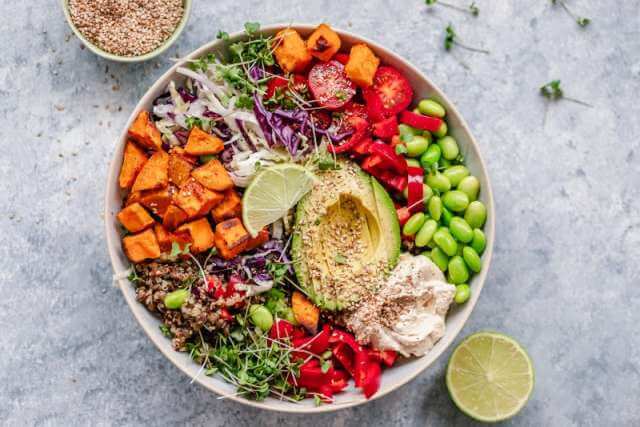
One of the most compelling aspects of plant-based nutrition is the combined effect of various foods. Phytochemicals and nutrients often work more effectively when consumed together, enhancing their protective properties. A notable study on prostate cancer found that a diet combining tomatoes and broccoli was more effective in slowing tumor growth than consuming either vegetable alone.
This synergy illustrates the importance of variety and balance in diet. Rather than focusing on isolated nutrients, individuals should aim to eat a diverse array of whole foods. Simple adjustments, such as adding leafy greens to soups or incorporating a mix of fruits into snacks, can amplify the cancer-preventive benefits of a plant-based diet.
Practical Tips for Embracing a Plant-Based Lifestyle
Transitioning to a plant-based diet can be both enjoyable and sustainable with small, intentional changes. Start by increasing the number of plant-based meals per week and experimenting with new fruits and vegetables. Incorporating seasonal produce and exploring global cuisines can add variety and excitement to your diet.
Cost is often a concern, but affordable options like frozen fruits, legumes, and whole grains provide accessible ways to prioritize plant-based eating. Meal planning and preparation can further streamline the process, ensuring that healthy choices are both convenient and satisfying. By focusing on color, diversity, and creativity, individuals can harness the power of plants to reduce cancer risk and enhance overall well-being.
From ecomhao
